
Digital Conference Of IT Tech Events in 2025
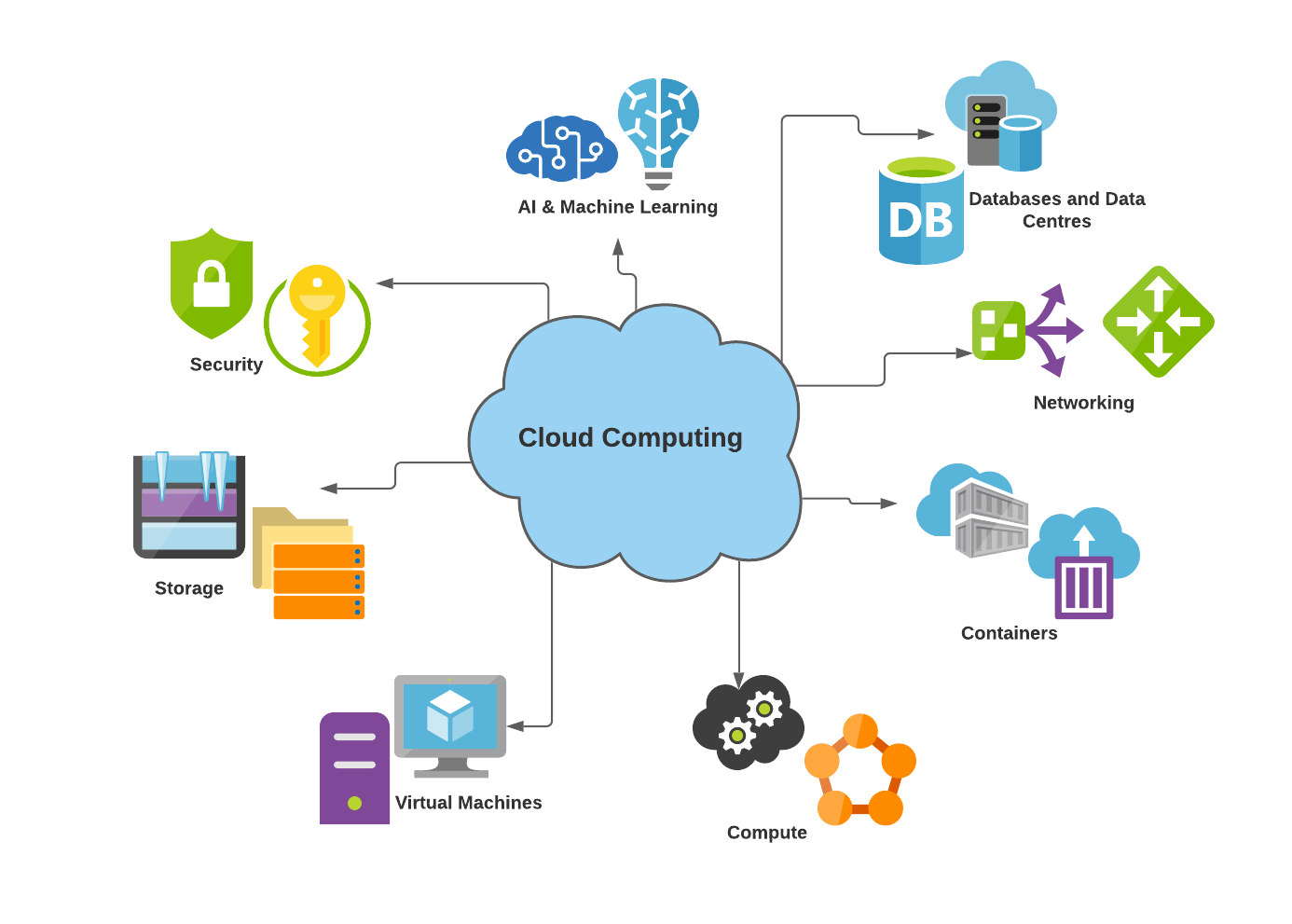
Cloud computing refers to the on-demand availability of computing resources, such as data storage, servers, networking capabilities, and software, over the internet. This model allows users to access and utilize these resources without the need for direct active management or ownership of the physical infrastructure.
Cost Efficiency: One of the primary advantages of cloud computing is its cost-effectiveness. Users only pay for the resources they use, following a pay-as-you-go model. This reduces capital expenditures on physical infrastructure and allows businesses to scale resources up or down based on demand.
Scalability and Flexibility: Cloud computing offers unparalleled scalability, enabling users to adjust their resource usage dynamically. This elasticity ensures that businesses can handle varying workloads efficiently without the need for significant upfront investments.
Accessibility and Collaboration: Cloud services can be accessed from anywhere with an internet connection, promoting collaboration among teams located in different geographical locations. This accessibility enhances productivity and allows for real-time collaboration on shared documents and projects.
Automatic Maintenance and Updates: Cloud providers manage the infrastructure and ensure that the latest software updates and security patches are applied automatically. This allows businesses to focus on their core operations without worrying about maintenance.